Polao rice price doubled, export or artificial crisis?

Published: 02:09 4 September 2026
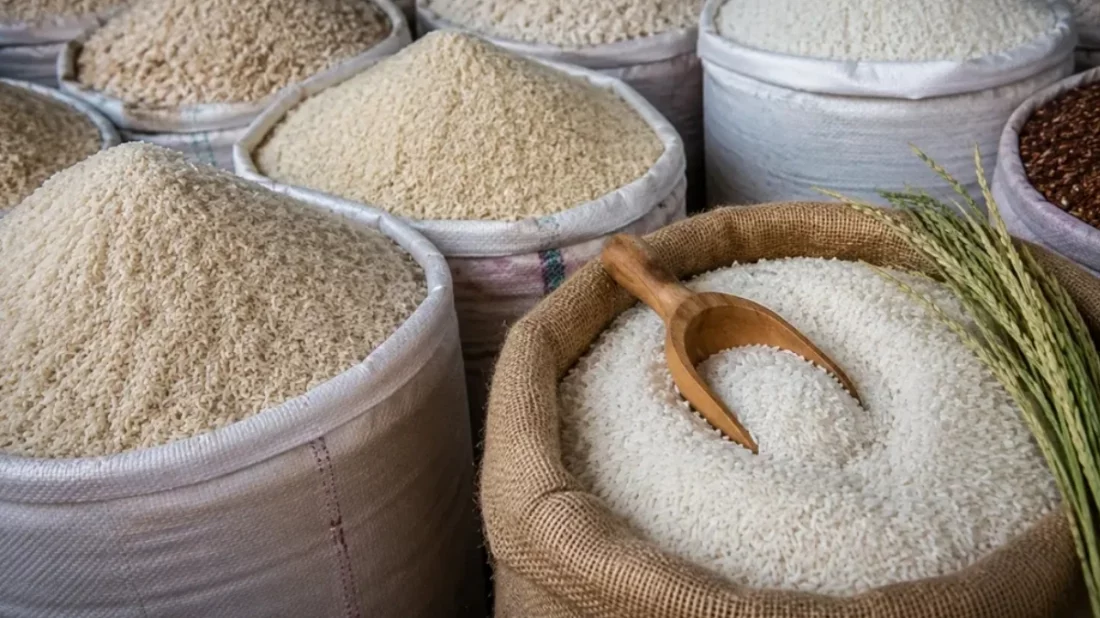
Polao was once a common dish for domestic gatherings. However, now you have to pay 200 to 230 taka per kg to buy polao rice. The price has almost doubled in just six months. Currently, packaged polao rice is being sold in the capital's market for 210 to 230 taka and loose rice for 180 to 200 taka per kg. A month ago, packaged rice was priced at 120 to 130 taka and loose rice at around 110 taka.
A section of market participants say that since the approval for the export of fragrant rice was increased, the supply in the domestic market has decreased and the price has increased. In the current fiscal year, 278 companies have been given permission to export a total of 45,320 tons of fragrant rice in two phases. In the last fiscal year, this amount was 23,959 tons. That is, the export approval has almost doubled in a year. However, exporters claim that such a crisis should not occur in the domestic market due to the small amount of exports.
According to exporters, the country produces about 1 million tons of fragrant rice annually, while the domestic demand is about 400,000 tons. As a result, there is a surplus of about 600,000 tons. On the other hand, a section of market traders allege that large mills and corporate institutions have purchased and stored a large amount of rice during the production season. Later, the price of rice was increased citing the increase in the price of rice. The price of a 50-kg bag of good quality sugar-powdered rice has also increased from Tk 7,500 to Tk 9,500 in a month.
CAB President AHM Shafiquzzaman believes that there is no scope to see exports as the only reason for the crisis in the rice market. According to him, since the production of fragrant rice in the country is higher than the demand, such a big crisis should not be caused by exports. Rather, a class of traders can use exports as an excuse to increase prices. As a result, to know the real reason for the increase in the price of Polao rice, monitoring of production, storage, export and market supply is necessary.
Advertisement
Most Readed - Finance & Trade



- Dev’s response to comparisons with Uttam Kumar wins praise online
- Poet Sufia Kamal: The Woman Who Helped Change an Era with Her Pen
- "Jinnah's father sold fish; he was a Hindu": Fazlur Rahman's claim vs. historical records
- Gunvor's First LNG Cargo from the US Arrives in Bangladesh; Unloading Begins
- Akbar Ali Set for Debut in Overseas Franchise League; to Play for Karnali Yaks
- 48 Dead in Nigeria After Consuming Toxic Alcohol
- BNP is a centrist party positioned ‘to the right of the Left and to the Left of the Right’: Law Minister
- $6 Million Jewelry Heist: Why Did Kim Kardashian Receive Only €1 in Compensation?
- Price of Low-Tier Cigarettes Raised Again; 10 Sticks Now Cost Tk 65
- Shibir President Speaks on Mega Projects Amid Allegations of $234 Billion Money Laundering
- 15 artists including Boga Taleb to sing in memory of Razzak Dewan
- Joining the Mecca Pact is Bangladesh's own matter: Jamaat Ameer
- Dr. Tasnim Zara: Education, Career and Politics
- Iran is losing control of the Strait of Hormuz
- Salman Shah, the evergreen hero of Bengali cinema, lost untimely
- AC explosion in Pakistani hospital, 15 newborns die
- Bangladeshi football will not change just by playing with Brazil, says Aminul
- Rain forecast for five more days across the country
- Australian captain impressed by Shariful's bowling
- Rafsan and Sunehra in Bachelor Point's flat, there will be a new surprise